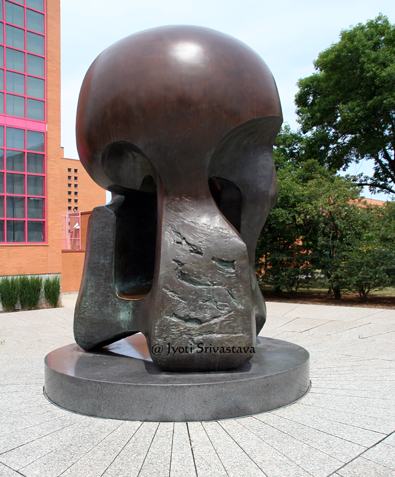
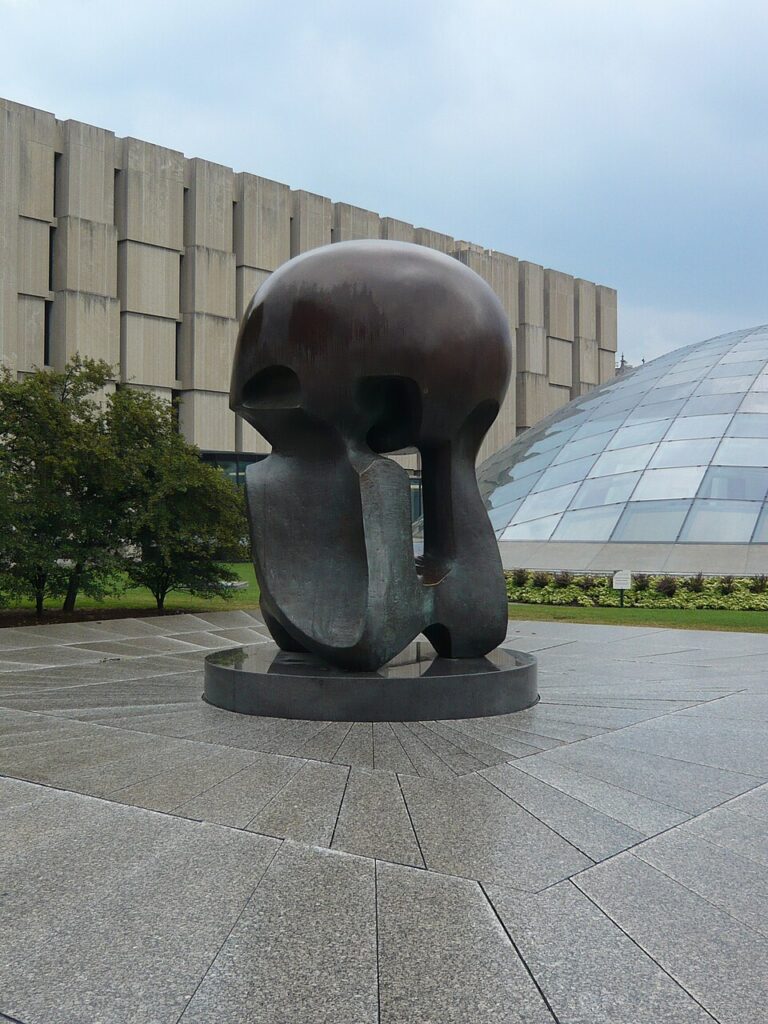
In 2023, new Peace House Fellow Meg Wade wrote about planning to attend the August 6th Hiroshima vigil in Ashland, and reflected on how the annual observance became a regular part of their life following a chance encounter on the University of Chicago campus:
“Until that moment, I’d never considered that there was any role that I might play with regard to this particular topic. The bombings were a tragic event that I believed morally unjustified, but like plenty of other historical happenings, they seemed completely separate from me in my present reality. They’d taken place a long time ago; the event seemed finished, done. I’d read John Hersey’s Hiroshima in high school and felt the devastation that piece is meant to induce, but the only way that I could see really applying anything I learned from that experience was to advocate very generally against the creation and use of nuclear weapons. Which, at the time, would have practically come down to a willingness to sign a petition in favor of anti-proliferation treaties, had someone asked. And I don’t know if anyone ever asked.
But here were folks suggesting that I might have a role, not just by having some general attitude towards general policies and actions of governments that may or may not bother to pay attention to public sentiment on the matter. The role was that of active rememberer: one who made sure the memory of the specific harms to the people of Hiroshima and Nagasaki didn’t disappear in the way so many of those people themselves horrifically did.”
In “What will we remember about August 6th?” Meg reflects on the concept of bearing witness, the task of shaping collective memory, and working against the cultural impulse to forget.